Ellis Neumann · 8 October 2026
University Libraries Across Poland Develop Regional Archiving Networks to Safeguard Local Historical Documents
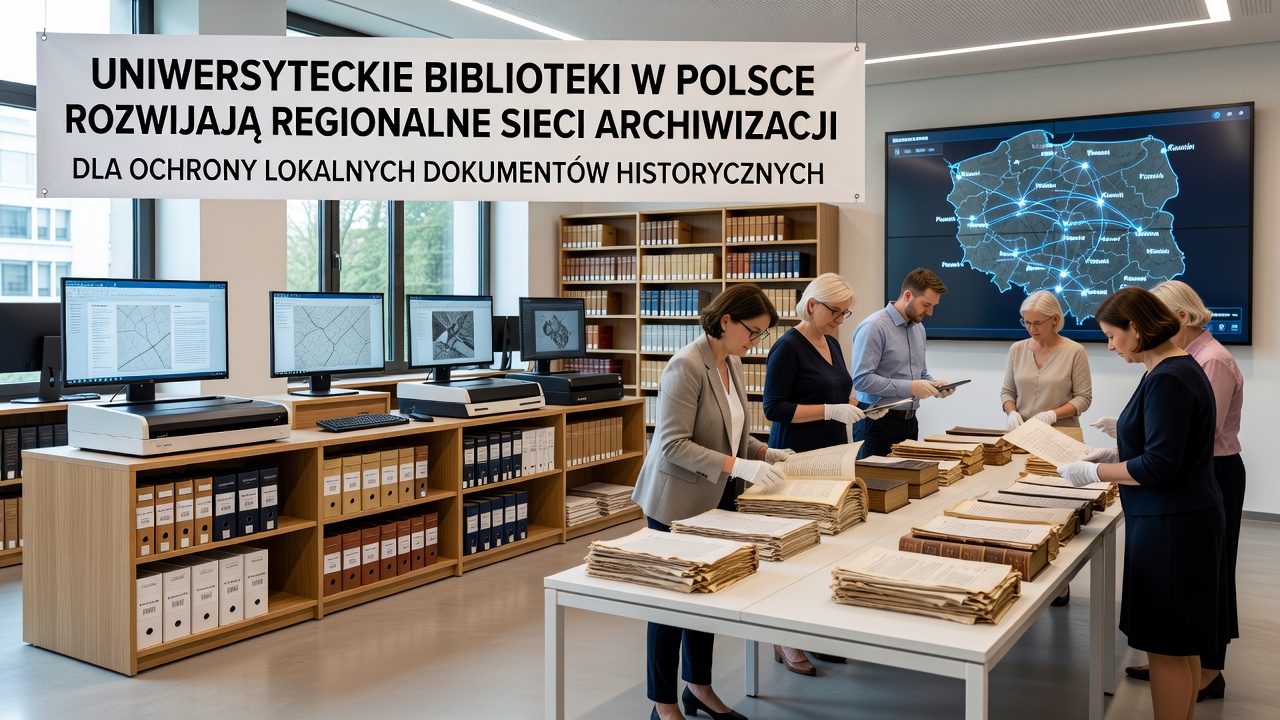
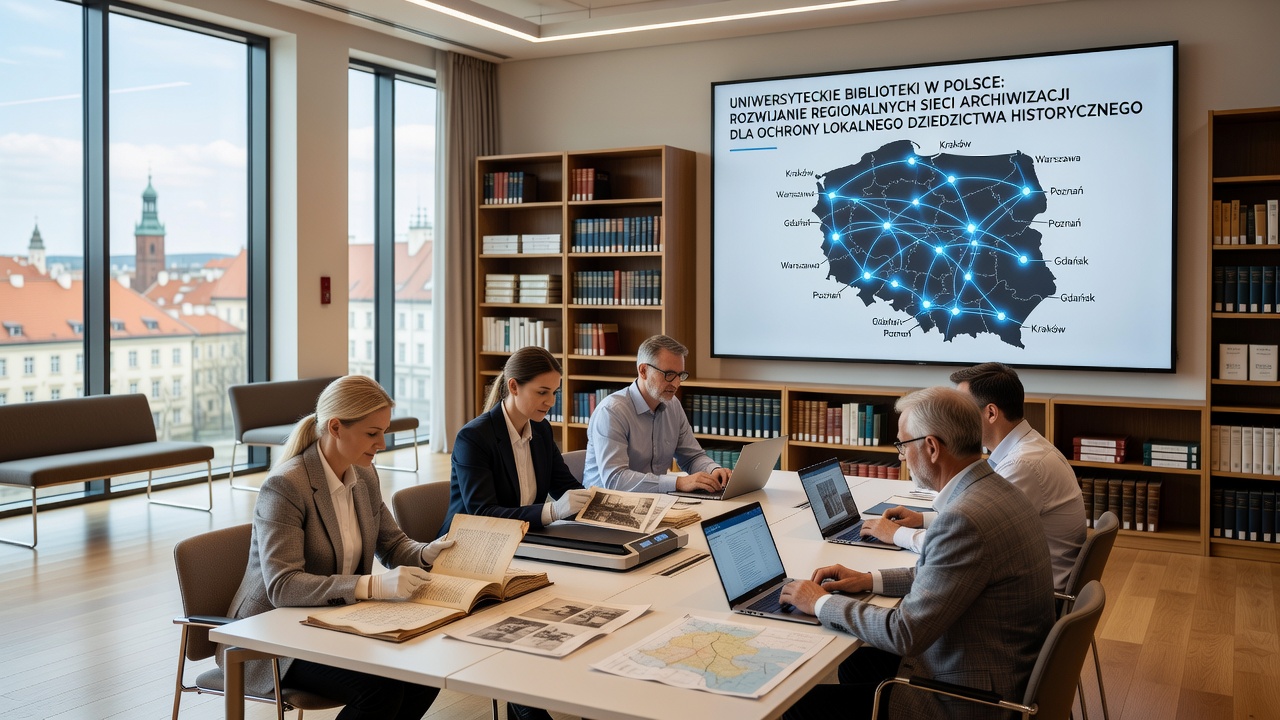
University libraries throughout Poland have formed interconnected regional archiving networks since the early 2020s, and these systems now coordinate the preservation of local historical documents across multiple voivodeships. Researchers at institutions such as Jagiellonian University in Krakow and the University of Warsaw have joined forces with regional partners to create shared digital repositories that protect manuscripts, municipal records, and academic collections from physical degradation while improving access for scholars. Data from the Polish Ministry of Education and Science indicates that over 45 university libraries participate in these networks as of October 2026, with annual digitization rates exceeding 120,000 pages in the most active regions.
Origins of the Regional Networks
Coordination efforts began when librarians noticed that isolated institutions struggled to maintain climate-controlled storage for rare items, and this realization prompted initial pilot programs in Lesser Poland and Mazovia. The networks expanded after funding allocations from national heritage programs allowed equipment upgrades and staff training, while partnerships with local historical societies supplied additional context for document authentication. Observers note that the structure relies on hub-and-spoke models where larger universities provide server infrastructure and smaller colleges contribute specialized local knowledge about dialectal texts or guild records.
Key Regional Initiatives Underway
In Silesia, the University of Silesia in Katowice leads a consortium that includes libraries from Gliwice and Opole, and this group focuses on industrial-era documents related to mining communities. Similar arrangements operate in Pomerania where Gdańsk University coordinates with partners in Szczecin to archive maritime trade ledgers dating back to the Hanseatic period. Experts at Adam Mickiewicz University in Poznań have documented how their network integrates optical character recognition tools to transcribe handwritten Polish and German texts, and the resulting databases now feed into cross-regional search platforms.
Technology and Standards Supporting the Effort
Network participants adopted metadata standards aligned with those used by the International Federation of Library Associations, which enables consistent cataloging across institutions. Secure cloud storage hosted at multiple university data centers provides redundancy against localized disasters, and regular checksum verifications maintain file integrity. Studies conducted by Warsaw University of Technology researchers demonstrate that migration to open-source preservation software has reduced long-term maintenance costs by approximately 30 percent compared with proprietary systems. Those who've studied these implementations know that staff exchange programs between regions help maintain uniform training on handling fragile parchment and early printed books.
Collaboration with External Partners
University libraries have established formal agreements with the National Library of Poland and regional state archives to avoid duplication of effort, and these pacts clarify which institution retains physical custody while digital copies circulate freely. European Union cultural heritage programs have supplied supplementary grants that support training in advanced imaging techniques, according to documentation from the European Commission. One study revealed that joint workshops held in October 2026 trained over 200 archivists on emerging standards for born-digital university records, extending the networks beyond traditional paper materials into email correspondence and research datasets.
Outcomes Observed So Far
Access metrics collected by participating libraries show a 65 percent increase in remote queries for digitized local documents since the networks became operational, and this growth reflects broader interest from genealogists and regional historians. Evidence suggests that coordinated conservation efforts have slowed the deterioration of at-risk items, particularly those stored in older buildings with inconsistent environmental controls. Researchers discovered that cross-referencing documents from neighboring regions has uncovered previously unknown connections between 19th-century academic societies in different parts of Poland.
Conclusion
Regional archiving networks continue to evolve as new institutions join and technology improves, and the model developed in Poland now attracts attention from library consortia in neighboring countries. Continued investment in staff development and infrastructure remains essential for sustaining these systems over the coming decades.